Applied AI Academy
Zoe came in with an idea. She left with a pitch. Then she kept going.
A Duolingo-style app for learning AI became Applied AI Academy — live today.
“Your event gave me the push to turn an idea into a real product.”
Zoe

AI can accelerate the making. You still have to decide what is worth making.
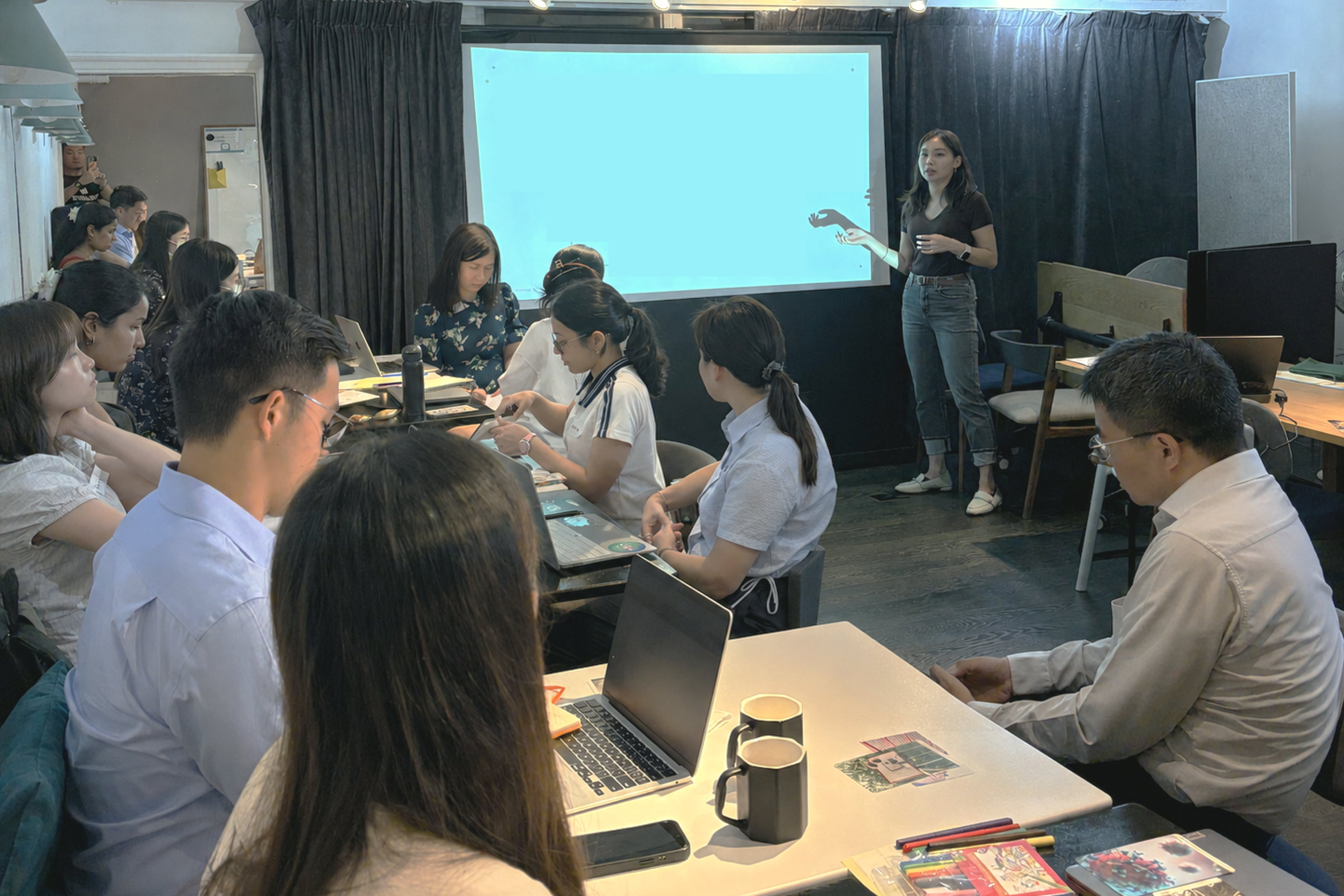
AI has made the making dramatically easier.
The harder part is still deciding what matters.
Start with the problem, not the prompt.
With direction, not features.
With the smallest thing worth making, not the biggest thing we can generate.
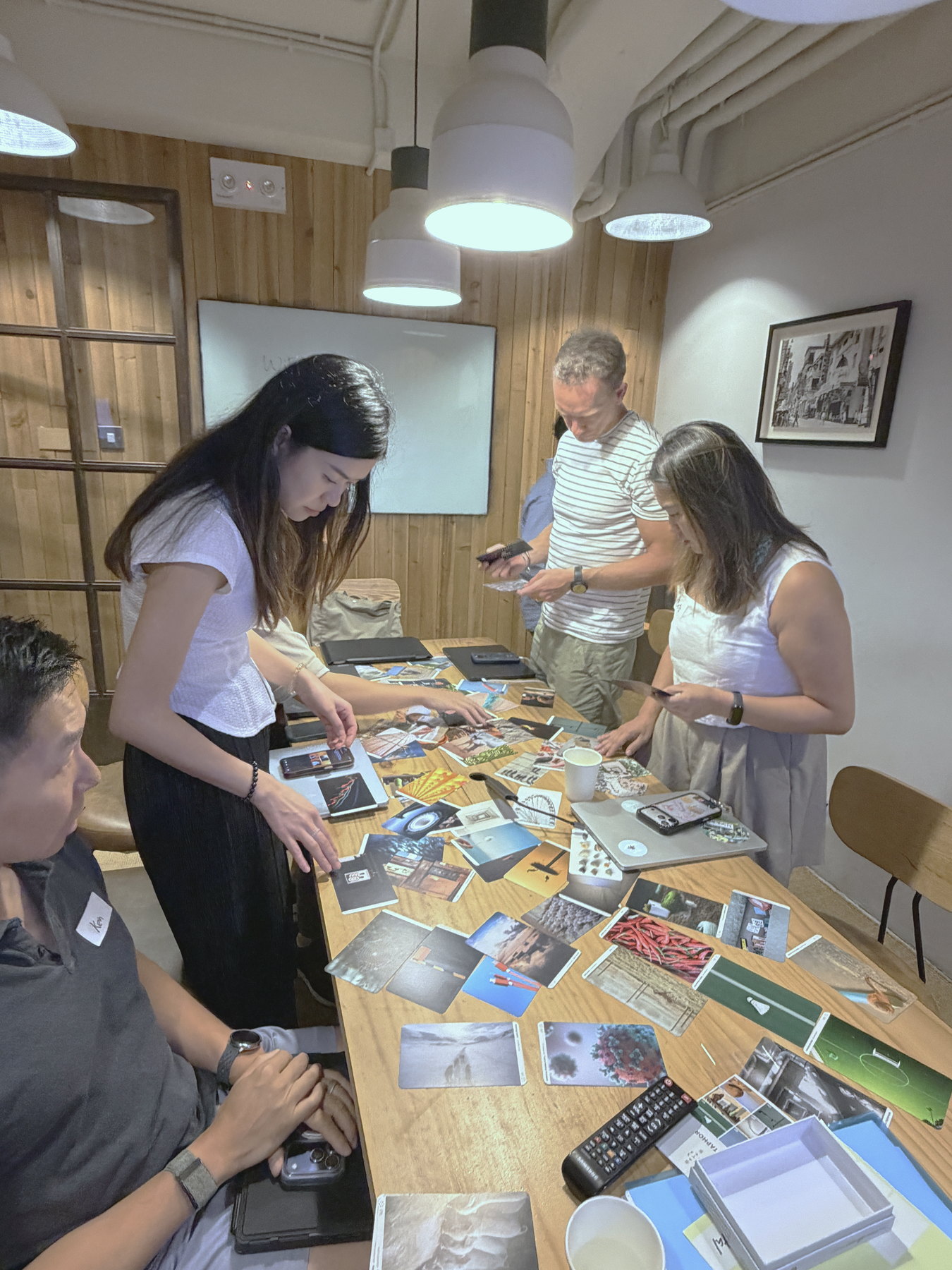
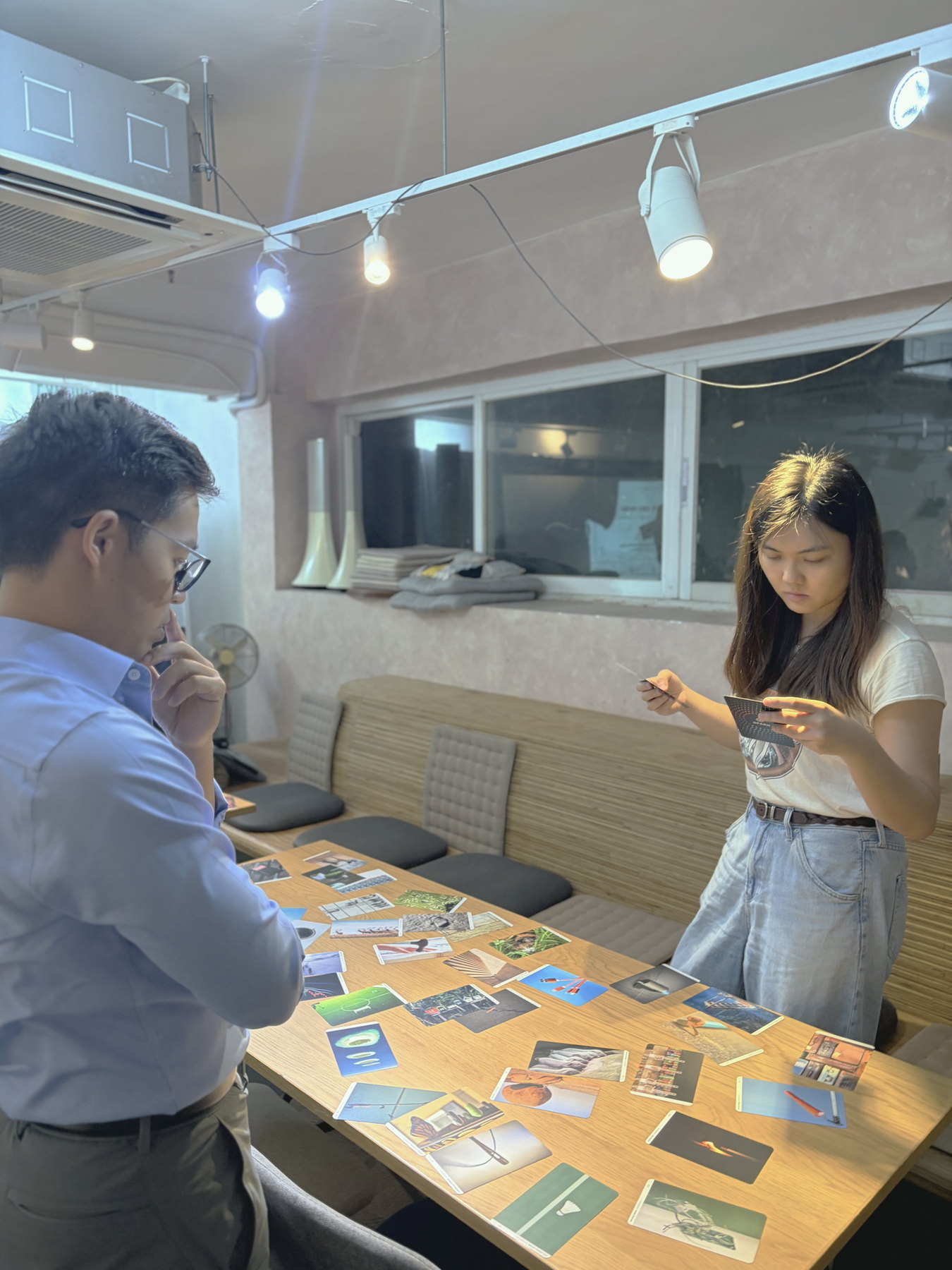
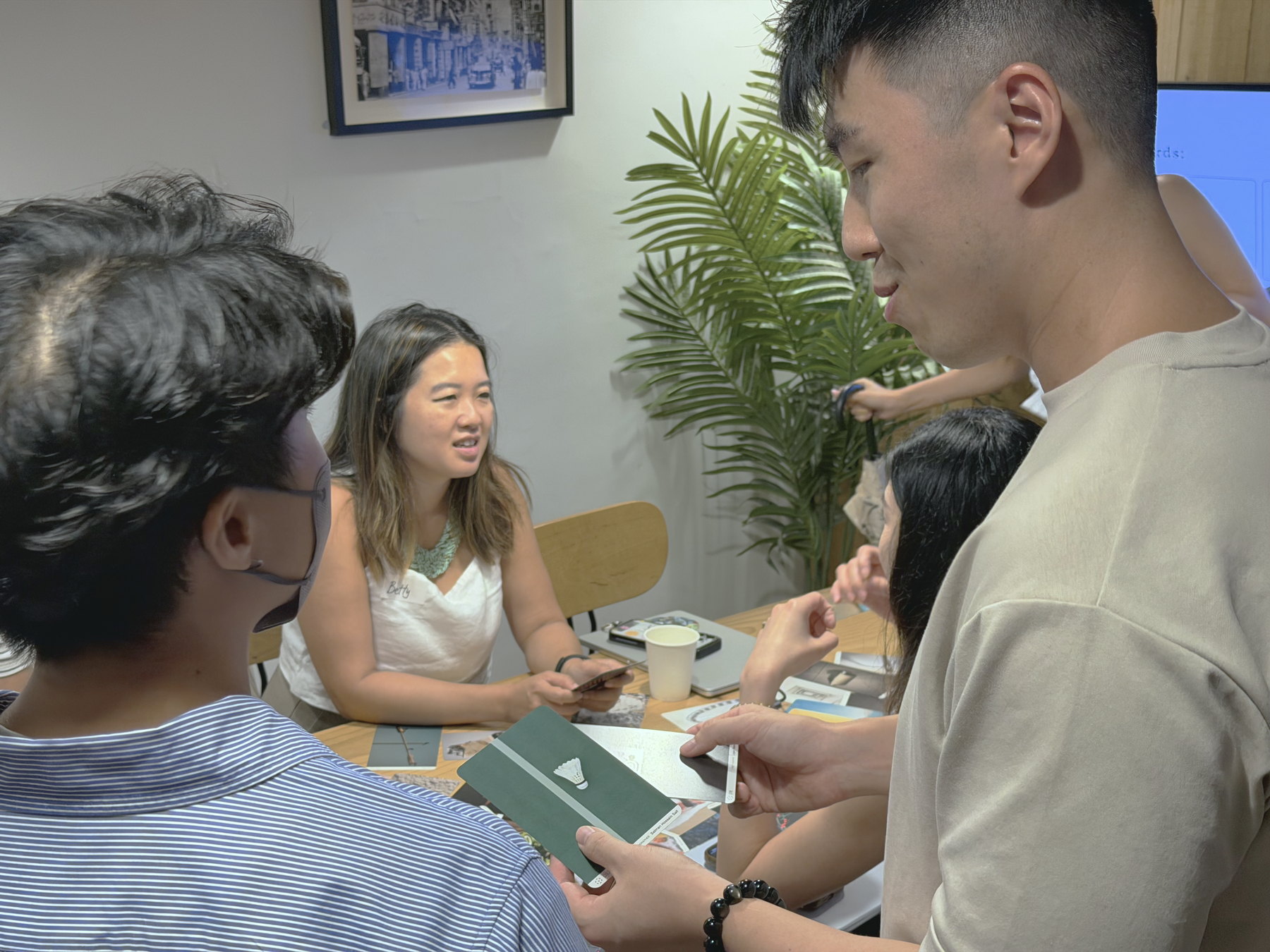
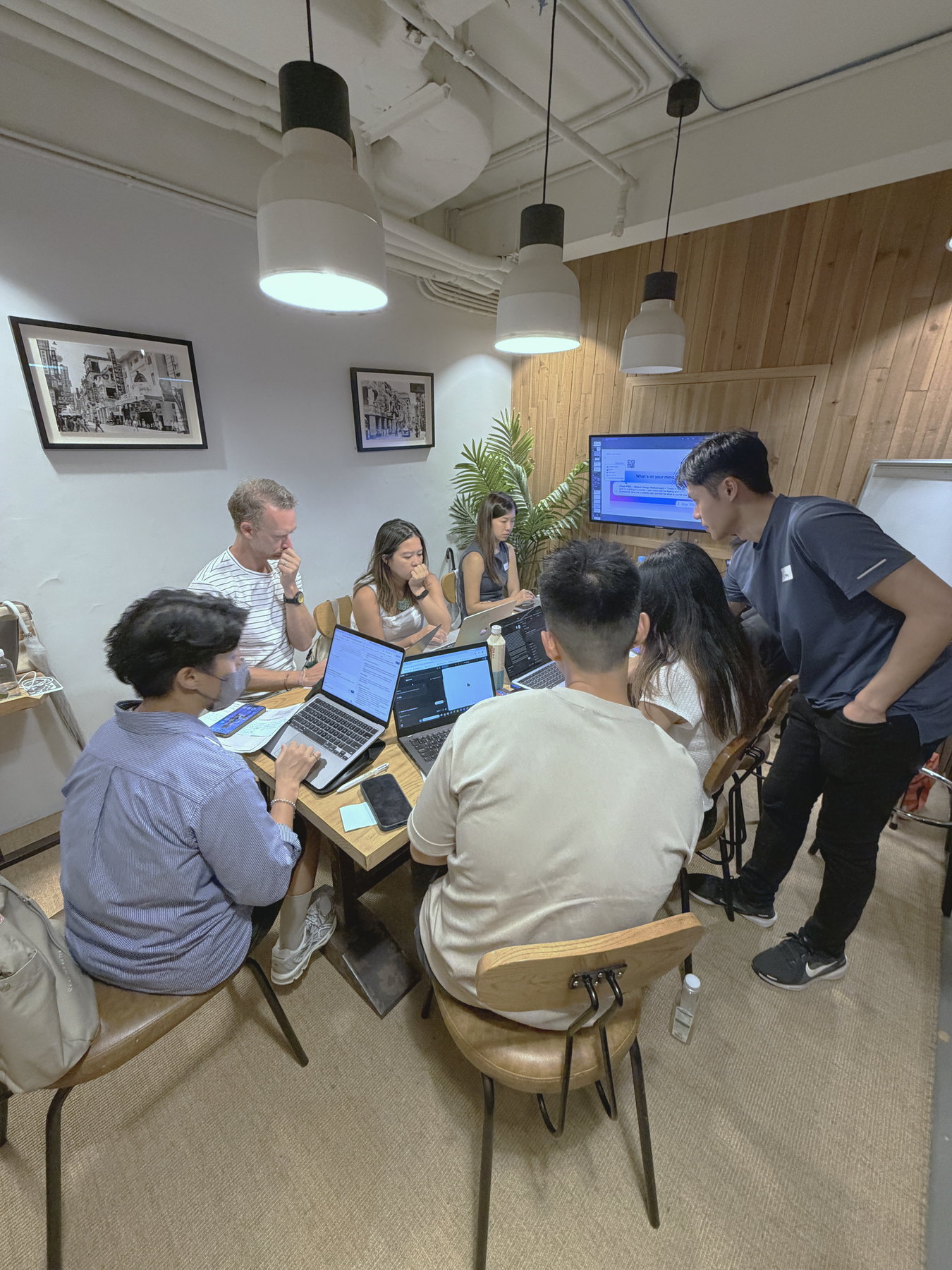
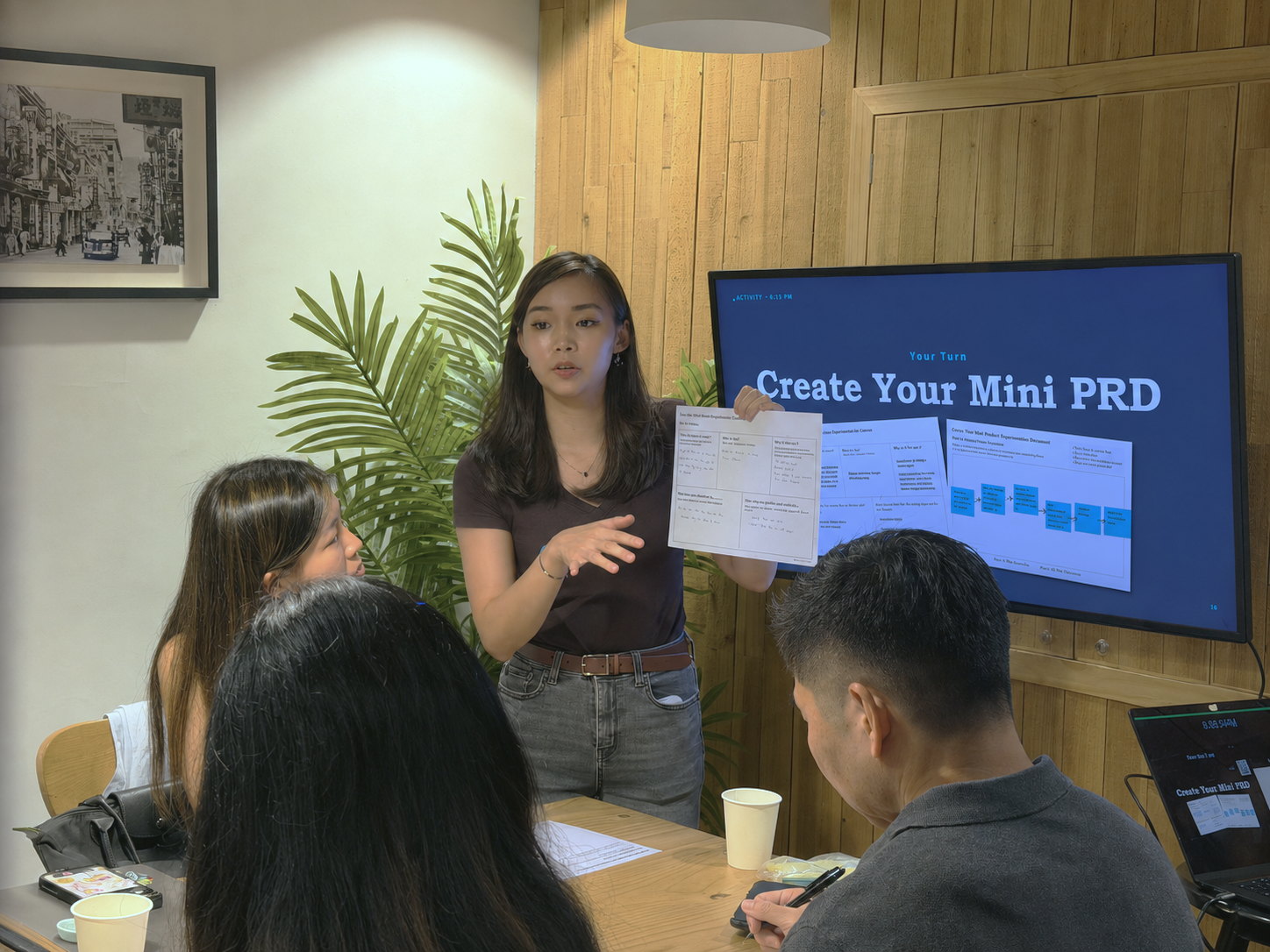
Mind Made brings people into a room to think through an idea, use AI to make something real, and see what survives contact with reality.
We’re learning too.
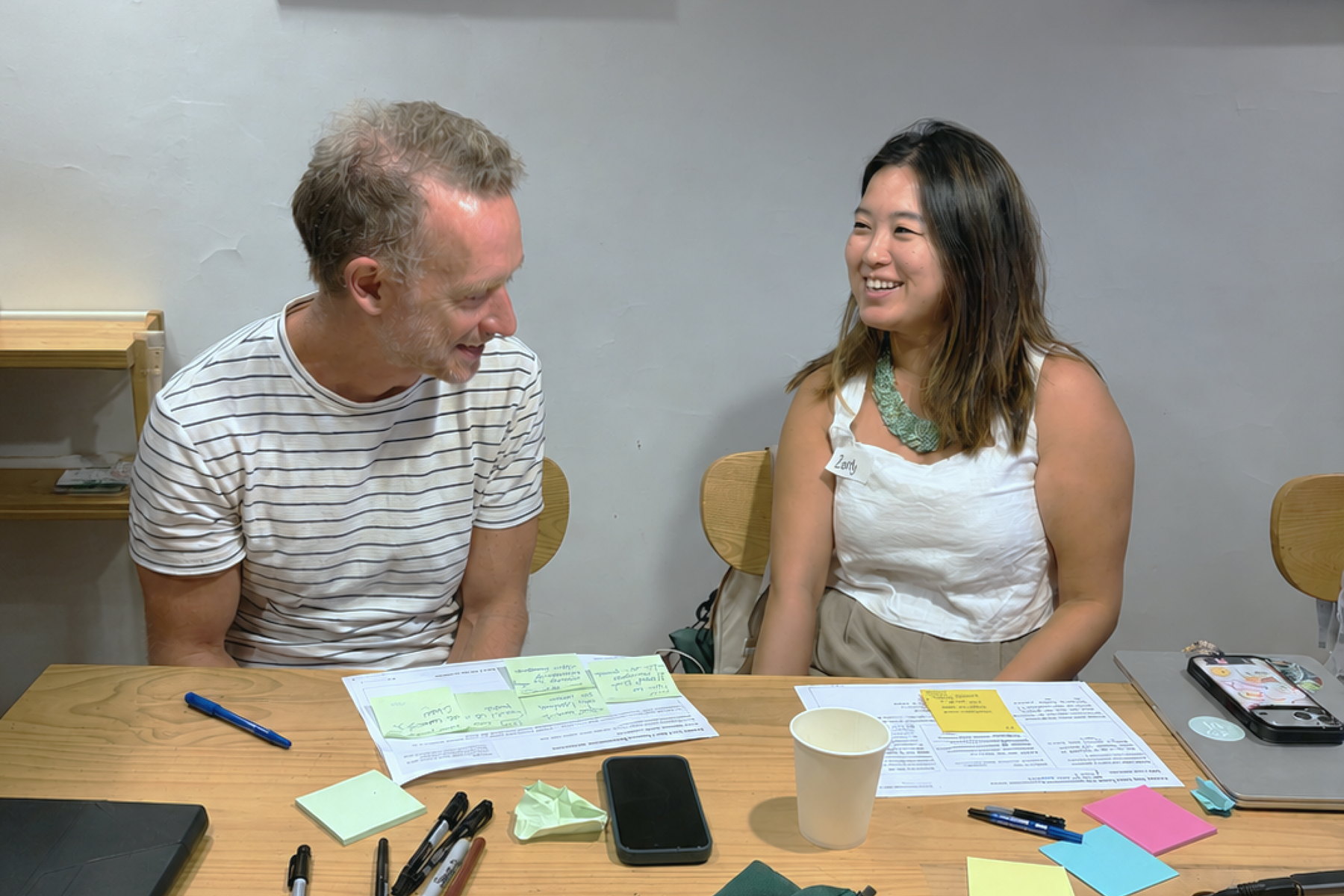
Before the laptop opens.

Use AI as a tool, not a shortcut.
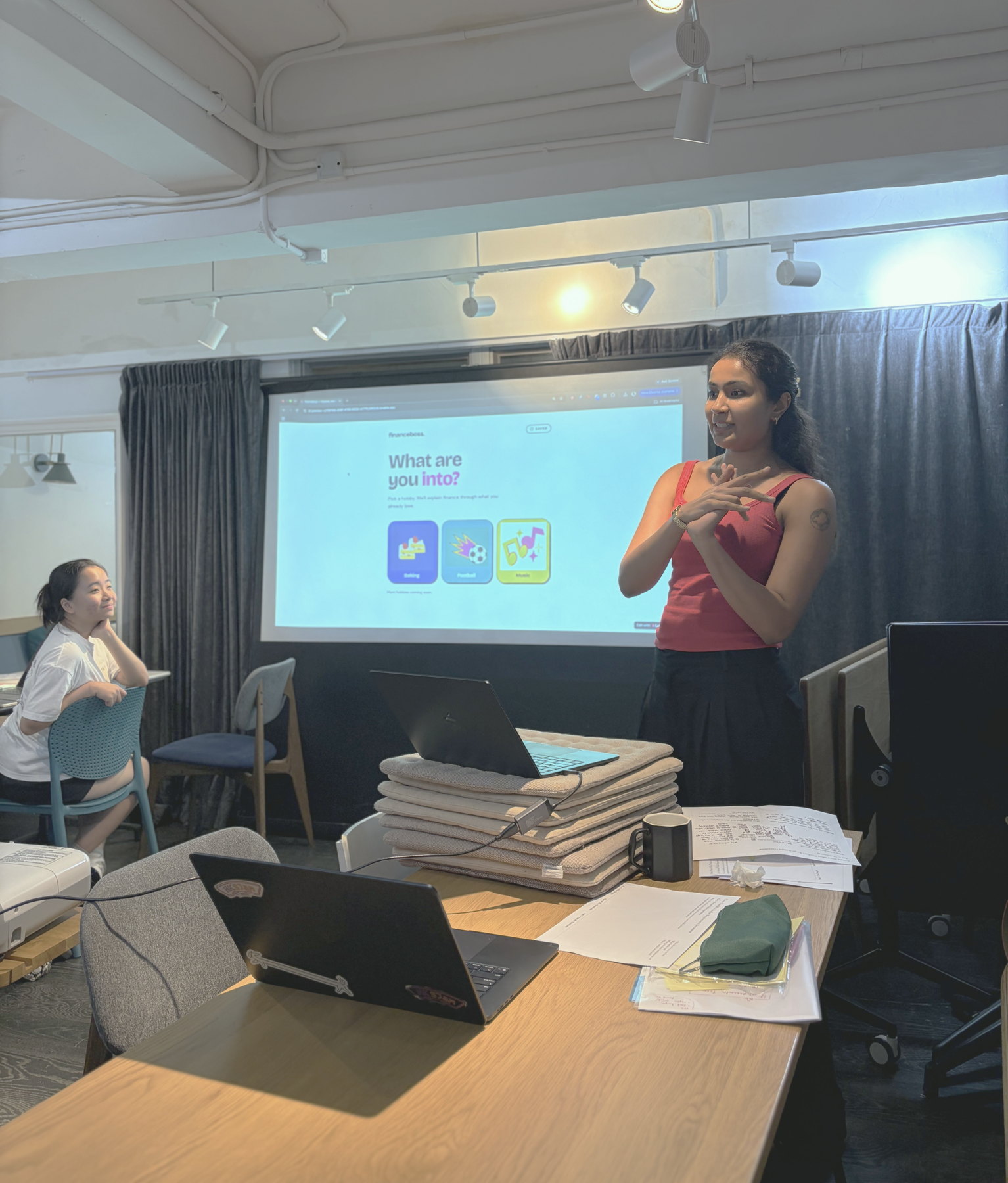
See what you actually made. Change your mind if you need to.


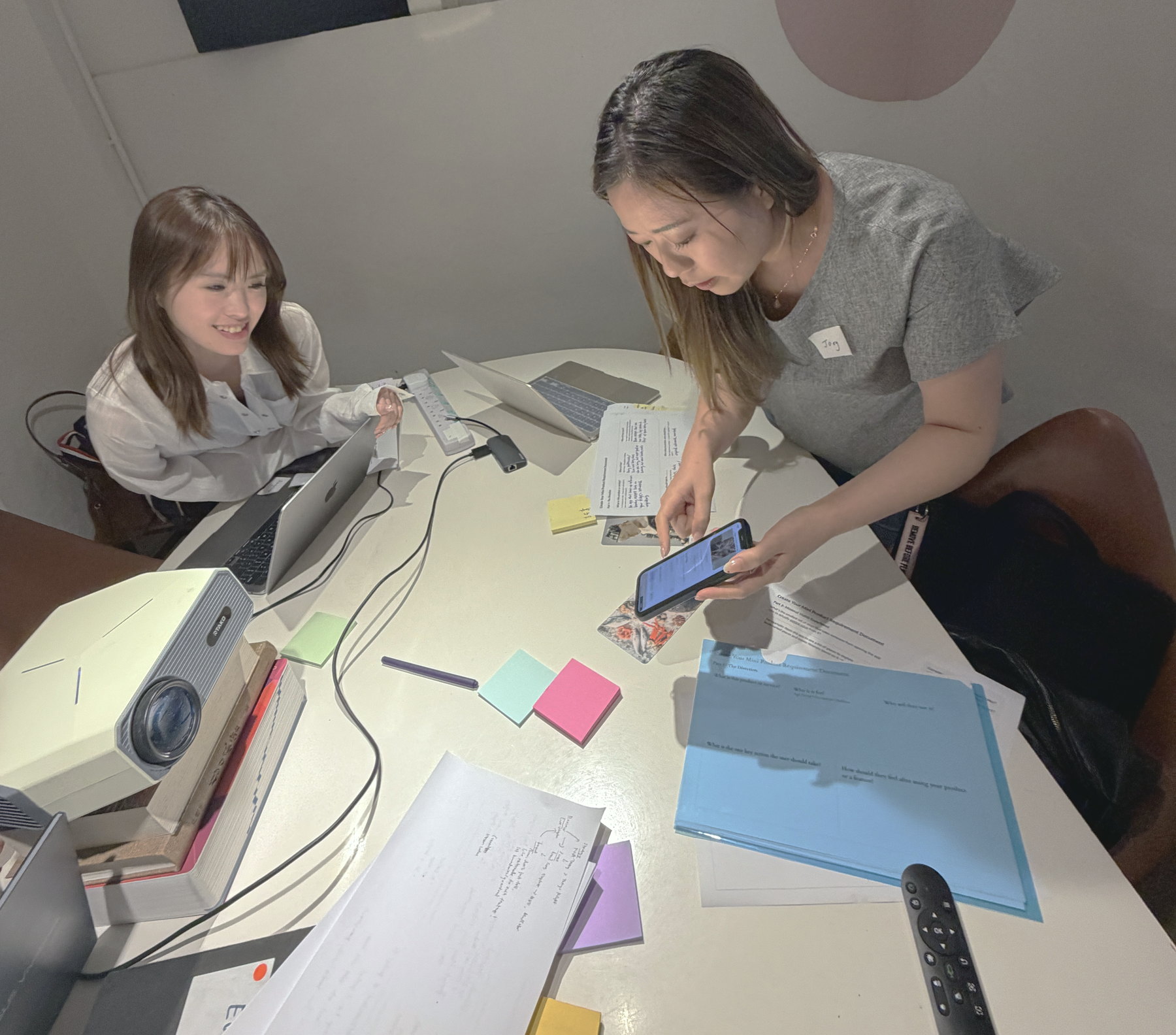
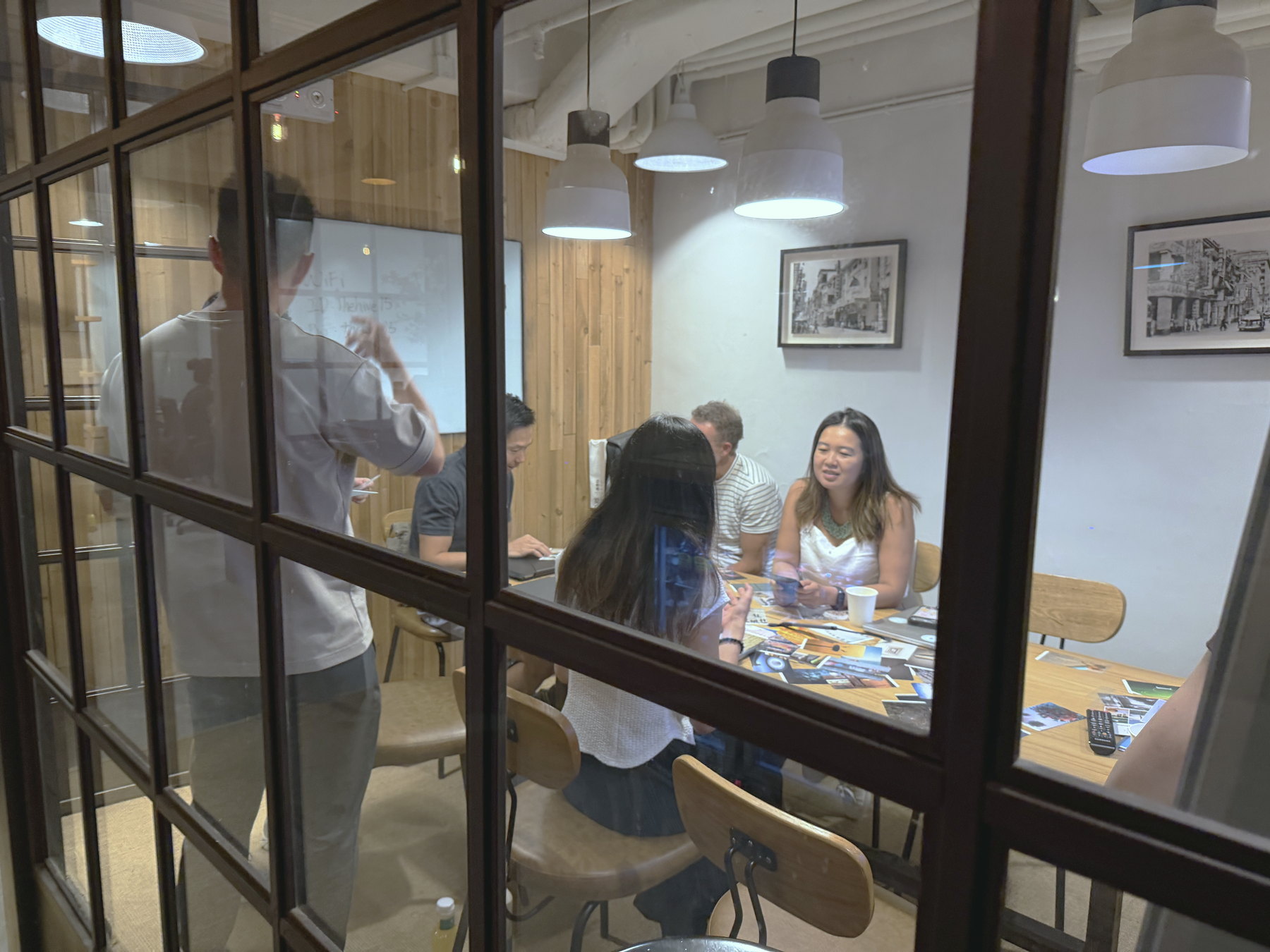
Zoe came in with an idea. She left with a pitch. Then she kept going.
A Duolingo-style app for learning AI became Applied AI Academy — live today.
“Your event gave me the push to turn an idea into a real product.”
Zoe
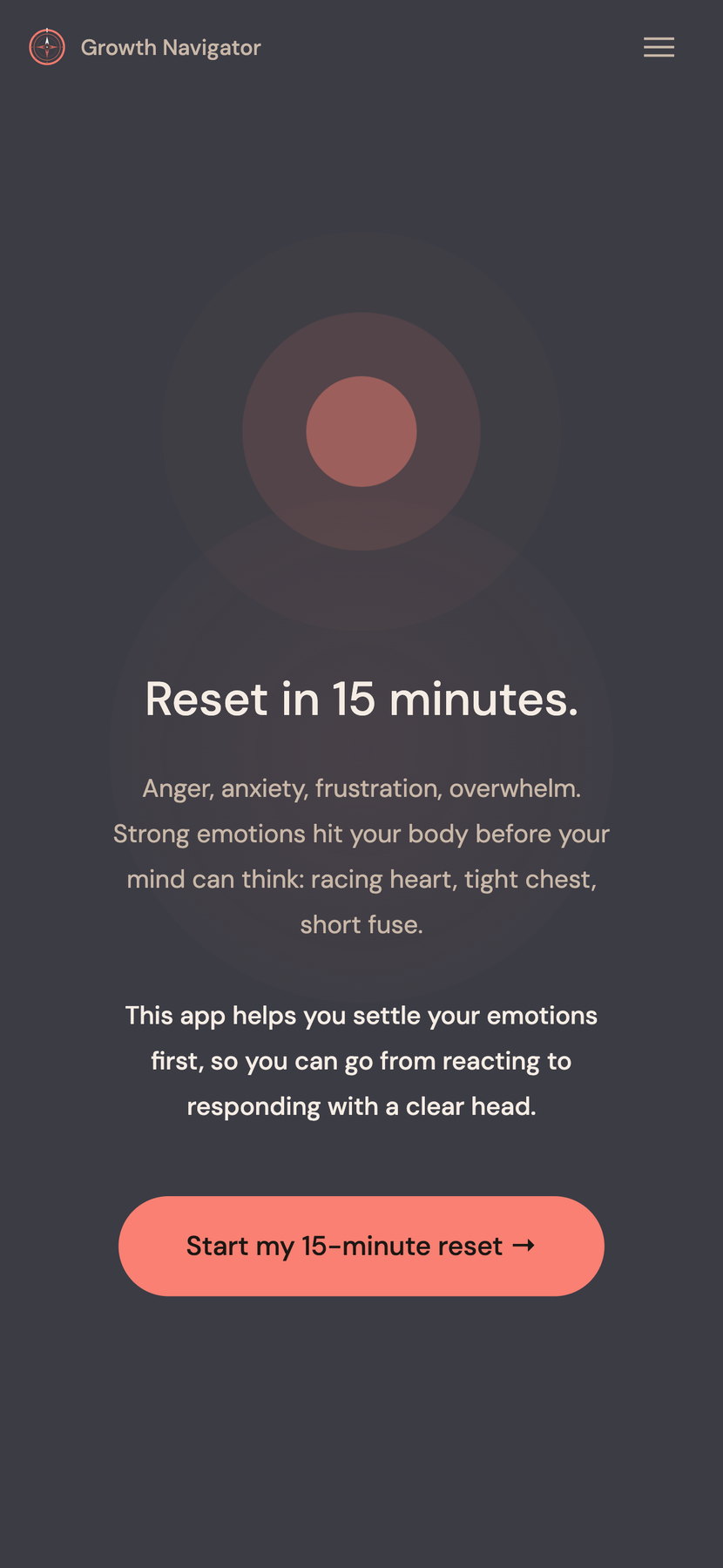
Jing already had the idea.
It just hadn’t been given three hours and a room.
Her coaching practice became a tool her clients could use themselves.

We’re paying attention to what people struggle with when making gets easy.
Six of eight participants told me the hardest part was deciding what to build. Only two said the tool. We’re training the easy half.
You open the tool with a half-formed idea and it fills the gaps with its own assumptions. It feels like progress. An hour later you have something you don’t quite want.
People decide they aren’t technical enough. They are. Nobody taught them the step before the prompt.
Prompt, analyse, prompt again — and somewhere in that loop your own instinct goes quiet. Judgement is a muscle: stop flexing it and it forgets how to move on its own.
I’m Sharon.
In March I was building a presentation with AI and gave up halfway through. Closed the tab, went back to Keynote. Every small change needed three follow-up prompts.
The tool hadn’t failed me. I just hadn’t decided what done looked like before I handed over the wheel.
Then I started seeing the same thing in other people. I’d taught more than a hundred people to build with AI by then, and the turning point was never the prompting. It was getting clear on what they were building. Once that landed, the tool took care of itself.
So I ran the first Mind Made to test one thing — whether people would pay for the thinking, not the tool. Twelve people, one evening, laptops closed for the first hour. It filled.
SheBuilds, Service Jam, sessions of my own — 120+ people have now been through a room like this one. I still don’t have a finished answer to the question above. That’s most of why they keep happening.
Maybe it’s already sitting in your Notes app.
See what’s coming up